
NYC Roommate Cleaning Schedule Tips That Actually Work
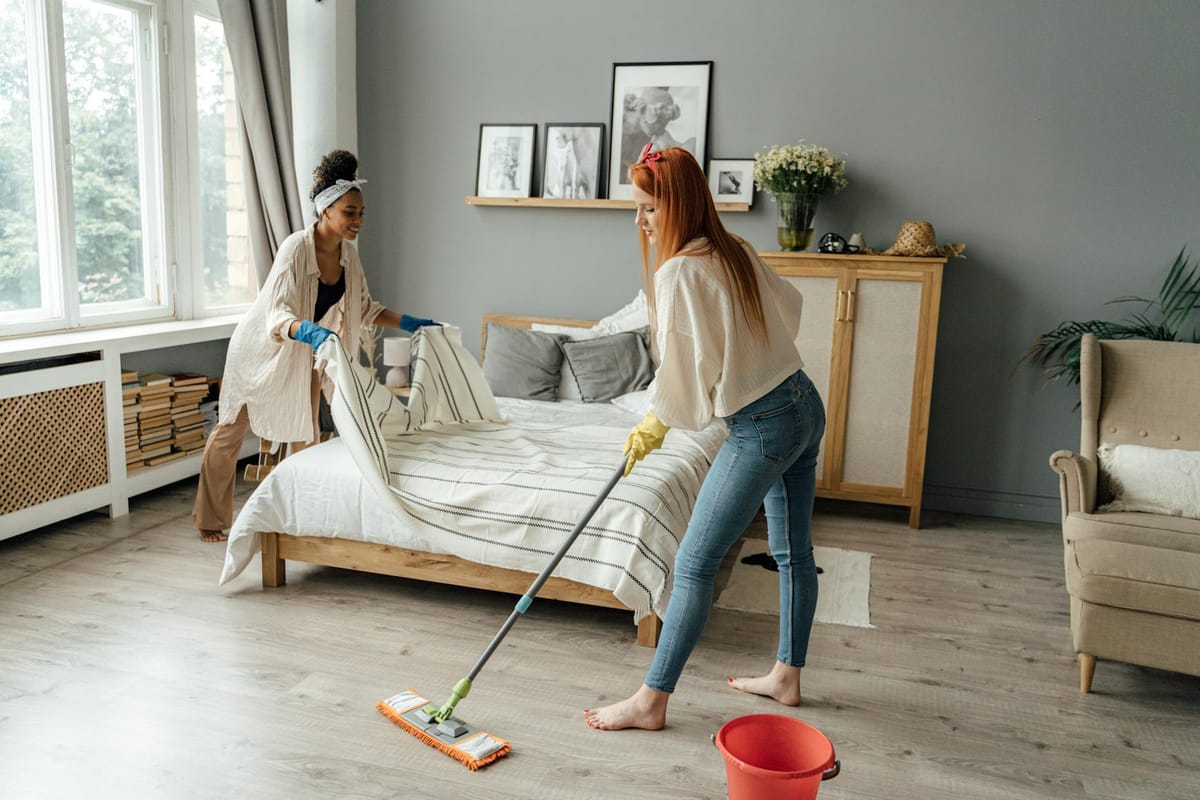
Sharing an apartment in New York takes more than good taste and a decent lease. It takes a cleaning system that people will actually follow. That is why nyc roommate cleaning schedule tips matter: they help roommates keep shared spaces clean, cut down on friction, and make a small apartment feel more livable.
The best roommate cleaning plan is simple. Set clear standards, divide chores fairly, and use a schedule that fits real work hours, long commutes, and packed weekends. In most apartments, that means quick daily resets, a weekly shared cleaning routine, and a few monthly deep-clean tasks.
Below, you will find practical nyc roommate cleaning schedule tips for building a routine that feels fair, low-drama, and realistic for city life.
Start With a Roommate Reset Before You Make a Chore Chart
The fastest way to create tension is to assign chores before discussing expectations. Start with a short apartment meeting and agree on the basics first.
Ask simple questions. What counts as clean? How fast should dishes be washed? Is clutter in shared spaces okay overnight? Clear expectations prevent most cleaning fights before they start.
Define what “clean” means in your apartment
One roommate may think clean means a clear counter. Another may expect the floor to be mopped every week. If you do not define the standard, people will assume different rules.
Create a shared baseline for the kitchen, bathroom, living room, and entryway. Be specific. “Bathroom clean” should mean mirror wiped, sink rinsed, toilet cleaned, trash emptied, and floor checked. For practical, evidence-based tips on household cleaning and disinfecting, see the CDC guidance on cleaning and disinfection.
Build the plan around real NYC schedules
Good nyc roommate cleaning schedule tips account for the fact that city routines are rarely neat. Work shifts run late. Social plans change. Commutes eat into evenings.
Set due windows instead of exact times. For example, the bathroom should be cleaned by Sunday night rather than at 10 a.m. sharp. That makes the system easier to keep and harder to resent.
Create a Weekly Cleaning Schedule That Feels Fair
The best schedule is easy to remember and easy to see. If it is too detailed, people stop using it. If it is too vague, chores get missed.
In most shared apartments, a weekly system works best. Daily habits keep mess from building up, while weekly chores handle the heavier work in common areas.
Split chores into daily, weekly, and monthly tasks
A strong roommate cleaning schedule separates quick resets from deeper cleaning. That keeps one cleaning day from turning into a full apartment overhaul.
Daily tasks may include washing dishes, wiping counters, taking out full trash bags, and putting personal items away in shared spaces.
Weekly tasks usually include cleaning the bathroom, vacuuming, mopping, wiping appliances, and replacing shared hand towels.
Monthly tasks can include cleaning the inside of the fridge, wiping cabinet fronts, dusting baseboards, and organizing the entry area.
Choose fixed zones or a rotating schedule
Most roommate chore charts work in one of two ways: fixed zones or rotation. With fixed zones, one person owns the bathroom, another handles the kitchen, and another covers floors and trash.
With rotation, chores switch each week or month. Fixed zones are easier to remember. Rotation can feel more balanced over time. Pick the version your household is most likely to follow.
Keep the schedule visible
One of the most useful nyc roommate cleaning schedule tips is also the simplest: put the plan where everyone can see it. Use a fridge note, shared note app, calendar, or group chat reminder.
If the system lives only in one person’s head, that person becomes the manager. A visible plan keeps responsibility shared.
Prioritize the Messiest Shared Spaces First
Small New York apartments make every mess feel bigger. A few dishes can take over the kitchen. A damp bathroom floor can make the whole apartment feel off.
Focus your roommate cleaning schedule on the spaces that affect everyone every day.
Set kitchen rules that remove guesswork
The kitchen causes more conflict than almost any other room. Food scraps, grease, and full trash bins become a problem fast in a tight apartment.
Set a few house rules: dishes get washed within the day, counters get wiped after cooking, and spills get cleaned right away. A simple sink reset rule, where no dishes sit overnight unless agreed on, can change the entire tone of the apartment.
Make the bathroom a shared standard, not a shared mystery
Bathrooms get dirty quickly in roommate apartments. Hair in the drain, toothpaste on the sink, and an empty toilet paper roll all create irritation faster than people expect.
Use a weekly bathroom assignment, but add small reset rules for everyone. If you finish the toilet paper, replace it. If you splash the mirror, wipe it. If the trash is full, take it out.
Set clutter limits for common areas
In NYC, the living room often doubles as an office, dining area, and guest space. That makes clutter feel more personal and more visible.
Agree on what can stay out in shared spaces and for how long. Shoes by the door may be fine. Laundry racks in the living room for three days may not be. These boundaries make a cleaning schedule easier to maintain.
Use Low-Drama Systems That Make Follow-Through Easy
The goal is not to police your roommates. The goal is to remove confusion, lower friction, and make the right habit the easy habit.
The best nyc roommate cleaning schedule tips work because they are practical, not performative.
Share supplies and split the cost clearly
No chore chart works if no one buys dish soap or trash bags. Keep a short list of shared supplies: sponges, disinfectant spray, trash bags, paper towels, toilet cleaner, and gloves.
Then decide how to pay for them. Rotate purchases, split costs through an app, or set a small monthly household budget. Clear supply rules prevent petty money arguments.
Use neutral reminders instead of personal nudges
Reminders are normal in shared living. The key is tone. A recurring calendar alert feels much less loaded than one roommate chasing another.
Try simple language such as “Bathroom reset due by Sunday night” or “Trash pickup tonight.” When the reminder comes from the system, it feels less like criticism.
Have a backup plan for busy weeks
Even a good apartment cleaning schedule needs flexibility. Someone will travel, get sick, or have a brutal workweek.
Create a swap rule ahead of time. If a roommate cannot do their chore, they trade tasks or make it up the next week. That keeps the system fair without letting one missed task turn into a bigger issue.
Check In Monthly and Fix Problems Early
A roommate cleaning schedule is not something you set once and ignore. As routines change, the system should change too.
Small check-ins keep small annoyances from becoming personal conflict.
Do a five-minute monthly review
Once a month, ask what is working and what is not. Is one task clearly heavier than the others? Is the timing unrealistic? Does the kitchen need more frequent resets?
Many people searching for nyc roommate cleaning schedule tips do not need a stricter chart. They need a better feedback loop.
Address repeat misses directly and calmly
If a chore keeps getting skipped, say it plainly. Skip sarcasm, side comments, and vague frustration.
Use language like: “The trash and kitchen wipe-down have been missed a few times. Should we adjust the schedule?” That keeps the focus on the system and opens the door to a fix.
Consider outside help if the budget allows
In some apartments, hiring a cleaner once or twice a month is the most realistic solution. It will not replace daily responsibility, but it can reduce tension around deep cleaning.
If the cost works for everyone, this can be one of the smartest nyc roommate cleaning schedule tips for a high-pressure household. It is often easier to split occasional help than to keep arguing about scrubbing the tub. For advice on keeping indoor air fresh while reducing dust and allergens, see NYC apartment air quality tips for cleaner indoor air.
FAQ: NYC Roommate Cleaning Schedule Tips
How often should roommates clean a shared apartment in NYC?
Most apartments need light cleaning daily and deeper cleaning weekly. Daily tasks include dishes, counters, and trash. Weekly tasks include the bathroom, floors, and appliance wipe-downs.
What is the best roommate cleaning schedule for a small apartment?
The best schedule is simple, visible, and realistic. A strong setup includes daily resets, weekly shared chores, and monthly deep-clean tasks for spaces like the fridge or cabinets.
Should roommates rotate chores or keep fixed cleaning jobs?
Both options can work. Fixed chores are easier to remember. Rotating chores may feel more equal over time. The best choice is the one your household will follow consistently.
What should a roommate chore chart include?
A roommate chore chart should cover kitchen cleaning, bathroom cleaning, floors, trash, shared surface wipe-downs, and supply restocking. It should also show who is responsible and when each task is due.
How do roommates avoid fights about cleaning?
Set clear standards, keep the schedule visible, use neutral reminders, and do short monthly check-ins. Most cleaning conflict comes from vague expectations, not the chores themselves.
Make the Routine Easy Enough to Keep
The most effective nyc roommate cleaning schedule tips are not about creating a flawless apartment. They are about creating a routine that still works after a long commute, a late shift, or a busy weekend.
Keep the system simple. Focus on shared spaces. Use clear rules, visible reminders, and small resets that stop mess from building. When the plan is realistic, people are far more likely to follow it.
If your apartment feels stuck in a cycle of dishes, clutter, and tension, start with one short conversation and one clear chore chart. In New York, that can be the difference between constant stress and a home that feels calm when you walk in.