NYC Apartment Air Quality Tips for Cleaner Indoor Air
NYC apartment air quality tips can make a small city home feel cleaner, calmer, and easier to live in. In many New York apartments, indoor air is affected by a mix of traffic exhaust, cooking fumes, dust, pet dander, moisture, and older building systems. The good news: you do not need a full renovation to improve it; the EPA offers practical guidance on indoor air that applies to renters and homeowners alike.
The fastest wins come from four areas: better ventilation, HEPA filtration, smarter cleaning, and humidity control. These steps reduce airborne particles, stale odors, and common irritants — even in compact rentals.
Whether you live in a prewar walk-up in Brooklyn, a studio in Queens, or a high-rise in Manhattan, the right routine can make your apartment feel noticeably fresher.
What Affects Indoor Air Quality in NYC Apartments
The best NYC apartment air quality tips start with the source. In New York, poor indoor air often comes from both outside pollution and everyday indoor habits.
Common triggers include traffic exhaust, smoke, pollen, dust mites, mold spores, pet dander, cleaning-product fumes, and volatile organic compounds (VOCs) from paint, furniture, and synthetic materials. Cooking — especially on a gas stove — adds fine particles and nitrogen dioxide to the air.
Small apartments trap these pollutants faster. One room may serve as a kitchen, office, bedroom, and living area, so particles and odors have fewer places to go.
Signs Your Apartment Air May Need Attention
Watch for dust that returns quickly, stale smells, window condensation, allergy flare-ups, headaches, or irritation after cooking or cleaning. These signs often point to weak airflow or poor filtration.
Why City Apartments Need a Different Approach
New York apartments vary widely. Some have steam heat that dries the air in winter. Others have sealed windows, old vents, or through-wall AC units that collect dust. Older buildings may hide leaks or moisture problems, while newer ones can be tightly sealed and under-ventilated.
That is why practical indoor air quality tips for NYC apartments focus on habits and upgrades that fit small urban spaces — not generic advice built for suburban homes.
How to Ventilate a NYC Apartment Strategically
Fresh air helps, but in the city, opening a window is not always a clean-air fix. Noise, pollen, humidity, and street pollution can enter too. The goal is timed ventilation, not all-day exposure.
Open Windows at Better Times of Day
If your apartment faces a busy street, avoid rush hour. Early morning, later evening, or just after rain often works better for a short air flush. Even 10 to 15 minutes can refresh a room without pulling in heavy exhaust.
Use Bathroom and Kitchen Fans Every Time
Run the bathroom fan during showers and for 15 to 20 minutes after. In the kitchen, turn on the exhaust fan before heat and steam build up — not after the air already feels smoky or heavy.
If your range hood recirculates rather than vents outside, clean or replace the filter on schedule. It will not remove gases as effectively as a vented hood, but a clean filter still traps grease and fine particles.
Create Cross-Ventilation When Possible
If you have windows on opposite sides of the apartment, open both briefly to move stale air out faster. A box fan placed near a window can also help direct air outward.
This is one of the easiest apartment air quality improvements for spring and fall, when outdoor conditions are usually more manageable.
How to Cut Dust, Allergens, and Fine Particles
Dust is more than a cosmetic issue. It holds allergens, outdoor grime, fibers, and pet dander. In city apartments, it builds fast because of foot traffic, open windows, radiator heat, and limited storage space.
Vacuum with a HEPA Filter
A HEPA-filter vacuum traps fine particles instead of pushing them back into the air. Focus on rugs, upholstered furniture, curtains, and under-bed areas where dust collects quietly.
In a small apartment, vacuuming high-traffic areas twice a week makes a real difference in overall indoor air quality.
Damp Dust Instead of Dry Dusting
Dry cloths often move dust around rather than capturing it. Use a damp microfiber cloth on shelves, window ledges, radiator covers, and baseboards so particles get collected instead of redistributed into the air.
Leave Shoes at the Door
One of the simplest NYC apartment air quality tips is also one of the most effective. Shoes carry sidewalk dirt, subway grime, and debris from shared hallways. A shoe-free rule keeps more of that off your floors and out of the air.
Wash Soft Surfaces More Often
Curtains, pillow covers, pet beds, and throw blankets hold onto airborne particles and odors. Regular washing reduces allergens — especially in apartments where sleeping and living areas overlap in the same room.
How to Use Air Purifiers and Filters Correctly
If you want one upgrade with strong impact, start with filtration. A well-sized air purifier for NYC apartments can meaningfully reduce dust, pollen, pet dander, and other airborne particles in small spaces.
Choose a True HEPA Air Purifier
For most renters, a purifier with a true HEPA filter is the best choice. Match the unit to the room's square footage, then place it where you spend the most time — usually the bedroom or main living area.
If your apartment is open-plan, one larger unit may be enough. If rooms are separate, prioritize the bedroom first for the biggest sleep and health benefit.
Do Not Block the Unit
Leave clear space around the purifier so air can circulate freely. Avoid placing it in corners, behind heavy curtains, or against furniture that restricts airflow and reduces its effectiveness.
Replace Filters on Schedule
Dirty filters lose effectiveness quickly. Set a reminder to check the pre-filter monthly and replace the main HEPA filter as the manufacturer recommends — or sooner if your apartment gets dusty fast.
Clean AC and HVAC Filters Regularly
Window ACs, through-wall units, and central systems can spread dust and musty smells when filters are dirty. Clean reusable filters regularly and replace disposable ones on time.
Among all NYC apartment air quality tips, this often delivers one of the fastest seasonal improvements — especially heading into summer or winter when systems run constantly.
How to Manage Moisture, Odors, and Chemical Irritants
Indoor air quality is not just about dust. Humidity, leaks, odors, and chemical fumes matter too. An apartment can smell clean and still have air-quality problems worth addressing.
Keep Humidity Between 30% and 50%
Aim for indoor humidity around 30% to 50%. Too much moisture supports mold growth. Air that is too dry irritates your throat, skin, and sinuses — especially during radiator season in older NYC buildings.
If your bathroom stays damp or windows collect condensation, a small dehumidifier may help. If winter air feels very dry, a humidifier adds comfort — but clean it often to prevent bacterial buildup.
Choose Lower-Fragrance Cleaning Products
Strong scents can mask problems rather than solve them. Some cleaners and air fresheners release VOCs that irritate sensitive people. When possible, use simple, low-fragrance or fragrance-free products to reduce chemical load in the air.
Cook with Better Airflow
Cooking is a major source of indoor air pollution in NYC apartments. Use the range hood every time, crack a window when conditions allow, cover pans when appropriate, and clean grease buildup before it turns stale and recirculates.
Act Fast on Leaks and Mold Signs
Water stains, peeling paint, musty odors, or dark spots near windows and bathrooms deserve quick attention. In a rental, document the issue and contact your landlord or building management early.
Some of the smartest apartment air quality tips are preventive. Fast action keeps a small moisture issue from becoming a larger mold problem that affects your health and your lease.
Build a Simple Weekly Air-Quality Routine
The best results come from consistency. You do not need an elaborate wellness system — just a routine that fits city life and is easy to maintain week after week.
Do a Weekly Reset
Once a week: open windows briefly if outdoor conditions are good, vacuum floors and soft surfaces, wipe dusty areas with a damp cloth, wash kitchen textiles, and check for damp spots around windows, sinks, and bathrooms.
In a small apartment, a focused 30-minute reset goes a long way toward maintaining cleaner indoor air.
Keep Clutter from Blocking Airflow
Clutter traps dust and makes cleaning harder; for practical solutions, check small apartment storage ideas. This is less about minimalism and more about giving particles fewer places to settle and accumulate between cleaning sessions.
Pay Attention to Pet Zones
If you have a dog or cat, wash bedding often and groom regularly. Pet dander builds up quickly in compact apartments. A purifier placed near your pet's main sleeping area can help reduce airborne allergens noticeably.
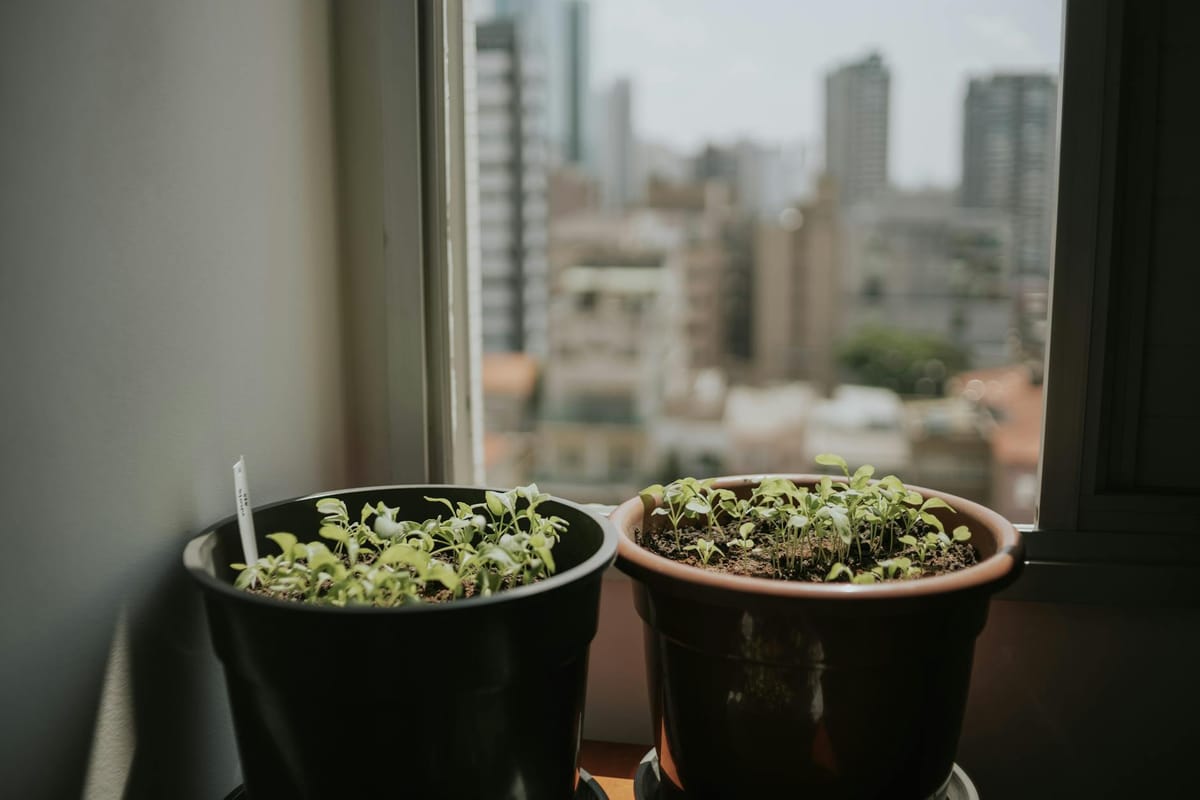
Use Plants for Mood, Not as a Main Fix
Plants can make a room feel better, but they are not a substitute for ventilation, filtration, and regular cleaning. In dark or damp apartments, too many plants can actually add to moisture problems rather than solve them.
The most effective NYC apartment air quality tips are the ones you can stick with week after week — not one-time purchases that sit unused.
FAQ: NYC Apartment Air Quality Tips
How can I improve air quality in a NYC apartment fast?
Start with the biggest wins: run a true HEPA air purifier, vacuum with a HEPA-filter vacuum, use kitchen and bathroom exhaust fans consistently, and clean AC filters. A short window opening during lower-traffic hours also helps refresh stale air quickly.
Are air purifiers worth it in New York City apartments?
Yes. For most renters, a properly sized HEPA air purifier is one of the most useful investments for NYC apartment air quality. It helps reduce airborne particles including dust, pollen, and pet dander in compact spaces where pollutants concentrate fast.
Does opening windows make apartment air quality worse in NYC?
It can, depending on traffic levels, pollen counts, humidity, and outdoor smoke. Short, strategic ventilation during off-peak hours is usually better than leaving windows open for long periods near busy streets.
What causes poor air quality in older NYC buildings?
Common issues include dust buildup in vents, weak ventilation, hidden leaks, mold, dirty AC units, and very dry radiator heat. Regular cleaning, better filtration, and moisture control can help offset these problems significantly.
How often should I change air filters in my NYC apartment?
Most AC and HVAC filters should be checked monthly and replaced every one to three months. Air purifier HEPA filters should follow the manufacturer's schedule — replace sooner if your apartment gets dusty quickly or you have pets.
Can indoor plants improve air quality in a NYC apartment?
Plants offer minor benefits and improve mood, but they are not a reliable solution for indoor air pollution. In damp or poorly lit apartments, overwatering can increase mold risk. Prioritize filtration and ventilation first.
Make Your NYC Apartment Feel Better to Live In
Cleaner air changes how a home feels. Sleep can improve, cooking smells fade faster, and dust feels easier to manage. Even in a small rental, the difference is noticeable within days of making consistent changes.
The most useful NYC apartment air quality tips are not flashy. They are steady habits, smarter filters, better airflow, and faster responses to moisture and odors. Start with one or two changes this week, then build from there.
If you are building a healthier city home in 2026, save this guide and share it with a roommate, neighbor, or fellow renter. In New York, small upgrades can make your space feel like a genuine reset.