Where to Tailor Vintage Suits NYC: Local Fit Guide
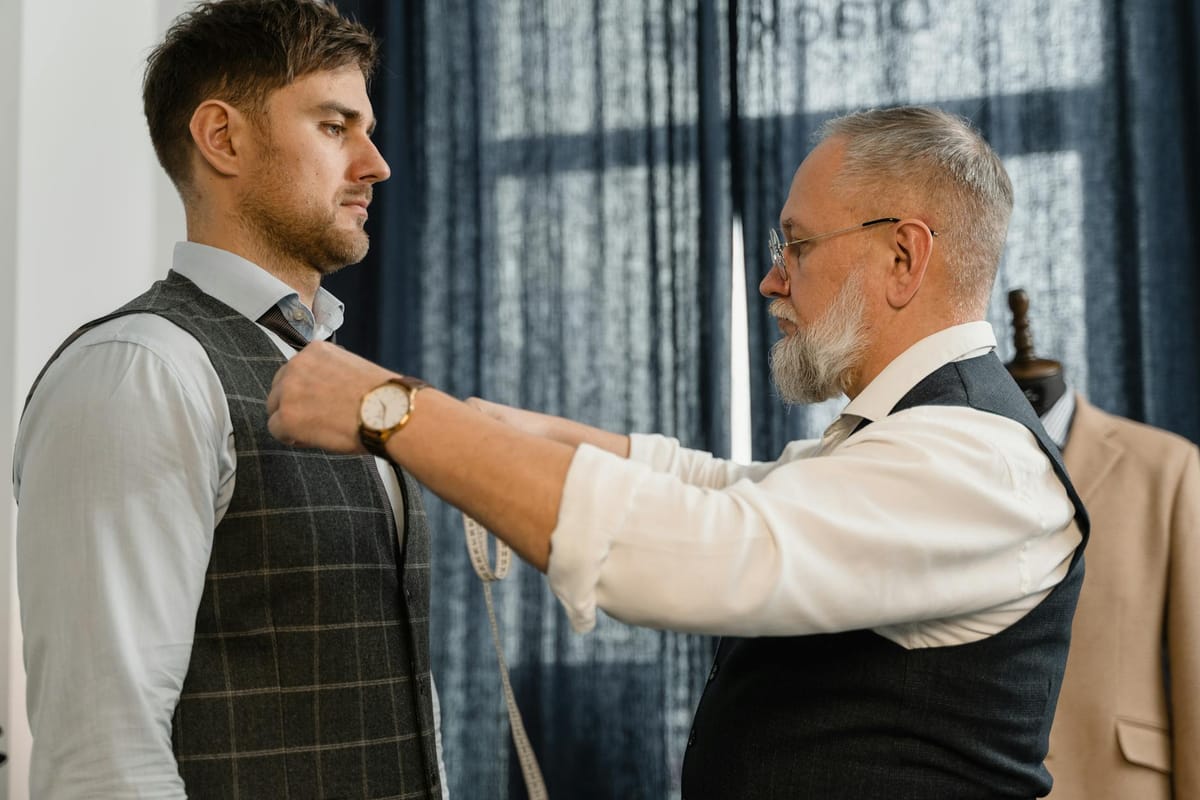
A great vintage suit offers what newer tailoring often lacks: character, structure, and a point of view. The fabric may be richer, the cut more distinct, and the details more memorable. The challenge is fit. Even a strong thrifted or inherited suit usually needs adjustment before it looks sharp on a New York street.
If you are searching where to tailor vintage suits NYC, start with the right standard: choose a tailor who understands structured jackets, older construction, and proportion. Vintage suiting should be refined, not stripped of its original shape.
This guide explains how to choose a vintage suit tailor in NYC, which alterations are worth the money, and how to avoid changes that can ruin the line of the garment.
What to Look for When Deciding Where to Tailor Vintage Suits NYC
Not every alteration shop should handle a vintage suit. Basic hemming is one thing. A canvassed jacket or high-rise trouser is another.
Choose tailors with structured garment experience
When deciding where to tailor vintage suits NYC, ask whether the shop regularly works on suiting, sport coats, wool trousers, and lined jackets. Vintage pieces often have older interior construction, fuller cuts, and seam details that require a trained eye.
A capable tailor will understand jacket balance, sleeve pitch, collar roll, lining, and shoulder shape. That knowledge matters more than speed.
Look for restraint, not aggressive reshaping
The best vintage suit alterations in NYC are often subtle. A good tailor should talk about cleaning up the fit while preserving proportion. Be cautious if the first suggestion is to slim everything down.
Vintage suiting works because of its era-specific cut. Tailoring should sharpen that identity, not erase it.
Ask how they handle older fabrics and construction
Older wool, lining, padding, and seam allowances can behave differently from modern garments. Ask what they would alter first, what they would avoid, and whether the suit has enough allowance for changes. Guidance from resources like the Met’s textile conservation department also shows why older fabrics need a more careful approach.
Clear, specific answers are a strong sign you have found a solid option for where to tailor vintage suits NYC.
Best Types of NYC Tailors for Vintage Suits
New York offers many tailoring options, but not all are equal for vintage work. The right category of shop can save you money, time, and regret.
Old-school neighborhood tailors
Long-running neighborhood shops in Manhattan, Brooklyn, and Queens are often strong candidates. Many have years of experience with formalwear, wool suiting, and practical fit corrections.
They may not market themselves as vintage specialists, but they often understand drape and garment structure better than trend-driven alteration counters.
High-end alterations specialists
If your suit is designer, rare, or made from exceptional cloth, a premium specialist may be the better choice. These shops are more likely to handle collar corrections, jacket suppression, lining replacement, and detailed reconstruction.
For valuable pieces, this is often the safest answer to where to tailor vintage suits NYC.
Menswear boutiques and vintage stores with referrals
Another smart route is asking curated vintage shops, menswear boutiques, or resale staff where they send clients. People who work around classic tailoring usually know which local tailors respect older cuts.
A referral from a trusted store can be one of the quickest ways to find a tailor who understands vintage suiting.
Avoid one-size-fits-all dry cleaner alterations
Dry cleaner alteration counters can be fine for simple hems or minor waist tweaks. For jacket work, caution is smarter. Rushed alterations can distort sleeve length, shift the jacket balance, or damage the lining.
If you care about where to tailor vintage suits NYC, treat the jacket as a specialty item, not an errand.
Which Alterations Are Worth Doing on a Vintage Suit
Some changes are practical and low risk. Others are expensive, hard to reverse, or likely to upset the suit’s proportions.
Usually worth it
Trouser hemming is one of the safest improvements. The right break can make the whole suit look cleaner. Taking in the trouser waist is also common if there is enough seam allowance.
Light trouser tapering can modernize the line without making the suit look generic. Taking in the jacket waist often helps too, provided the chest and shoulders already fit well.
Sleeve length adjustments can work, though the method matters. A tailor should explain whether the change should be made from the cuff or shoulder based on the jacket’s details.
Proceed carefully
Shortening a jacket can throw off button stance, pocket placement, and overall proportion. Major shoulder changes are difficult and often not worth the cost.
Reshaping lapels or aggressively slimming fuller trousers can also remove the character that made the suit appealing in the first place.
Repairs that need specialist handling
Vintage suits may need repair as much as alteration. Watch for moth holes, weak seams, worn cuffs, brittle lining, shine, and thinning fabric.
If the cloth is fragile, ask whether the tailor can reinforce the garment without leaving obvious signs on the outside. That question quickly reveals the difference between routine alterations and true vintage care.
How to Talk to a Tailor About a Vintage Suit
Once you narrow down where to tailor vintage suits NYC, the fitting conversation becomes the key step. Go in prepared.
Wear the shirt and shoes you plan to use
Bring the shirt, belt, and shoes you expect to wear most often. Trouser break and jacket balance can change with different footwear or shirt bulk.
Small details matter more with vintage tailoring because the original proportions are often stronger and more visible.
Describe the result, not just the problem
Instead of saying “make it slimmer,” be specific: cleaner waist, less trouser break, neater seat, or a sharper hem. Clear language gives the tailor a better target.
If you want to keep the original silhouette, say that directly. Most vintage suits look best with refinement rather than reinvention.
Ask what should stay untouched
This is one of the best questions you can ask. A strong tailor should tell you which details protect the suit’s integrity. That might mean preserving the shoulder line, keeping some fullness in the leg, or leaving the jacket length alone.
That restraint is often what separates a good result from an overworked one.
Request a pin fitting for major changes
If the work is extensive, ask for a pinned fitting before final stitching. This is especially useful for double-breasted jackets, wide-leg trousers, or unusual vintage cuts.
A pin fitting lowers the chance of miscommunication and gives you one last chance to protect the garment’s character.
NYC Shopping Strategy: Where to Tailor Vintage Suits NYC After You Buy
In New York, vintage shopping and tailoring usually go together. Very few secondhand suits look their best straight off the rack.
Build tailoring into the purchase price
A suit that seems affordable can become expensive once alterations are added. A smart buyer looks at the total cost after tailoring, not just the ticket price.
That is part of the real answer to where to tailor vintage suits NYC: choose a tailor early enough to price the full decision clearly.
Inspect seam allowance and fabric condition first
Before you buy, check for extra fabric at the waist and seams. Then inspect the cloth closely for moth damage, stains, shine, thinning elbows, worn cuffs, and brittle lining.
Even an excellent tailor cannot fix every structural problem cleanly. Strong bones matter more than a low price.
Match the tailoring to how you will wear it
If the suit is for weddings, dinners, or office events, the alterations can lean polished and versatile. If it is more of a statement piece, keep more of the original shape intact.
New York style rarely rewards the safest option. A well-tailored vintage suit should still feel personal, confident, and slightly distinct. For a cleaner everyday rotation around pieces like this, see our NYC capsule wardrobe for creatives and minimalist office style guide for men.
FAQ: Where to Tailor Vintage Suits NYC
Can any tailor alter a vintage suit?
No. For anything beyond a simple hem, choose a tailor with experience in structured jackets, wool suiting, and older garment construction. Vintage tailoring requires more judgment than standard alterations.
How much does it cost to tailor a vintage suit in NYC?
Pricing varies by shop and by the work involved. Trouser hems are usually the simplest cost. Jacket suppression, sleeve changes, lining repair, and structural corrections can raise the total quickly. Specialists usually charge more, but the extra care is often worth it.
Is it worth tailoring a thrifted suit?
Usually yes, if the fabric, shoulders, and overall construction are strong. A thrifted suit with good bones can look far more expensive after smart alterations.
What alterations should I avoid on a vintage suit?
Be careful with major shoulder changes, dramatic jacket shortening, lapel reshaping, and aggressive slimming. These changes can be costly and may ruin the proportions that make the suit feel authentic.
How long does vintage suit tailoring take in NYC?
Simple work may take a few days. More involved vintage suit alterations in NYC can take one to three weeks, depending on the tailor’s schedule and the complexity of the garment. If you need it for an event, ask before leaving the suit.
The Bottom Line on Where to Tailor Vintage Suits NYC
If you are deciding where to tailor vintage suits NYC, do not choose on convenience alone. The right tailor understands structure, proportion, and when to leave well enough alone.
In a city full of alteration counters, that judgment is what turns a good secondhand find into a signature piece. Focus on experience, ask precise questions, and avoid over-altering.
The best vintage suit does not need to look new. It needs to look intentional. And if you are building a sharper wardrobe this season, leave room in your budget for the final step that makes the suit feel fully yours.
For more NYC style guides, shopping strategy, and curated local advice, keep browsing NYCaller.