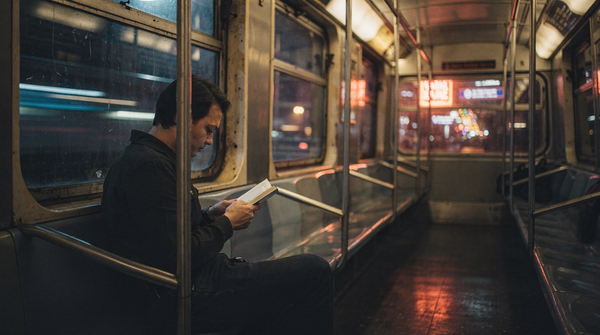
Community Theater Shows NYC 2026: Best Venues & Tips
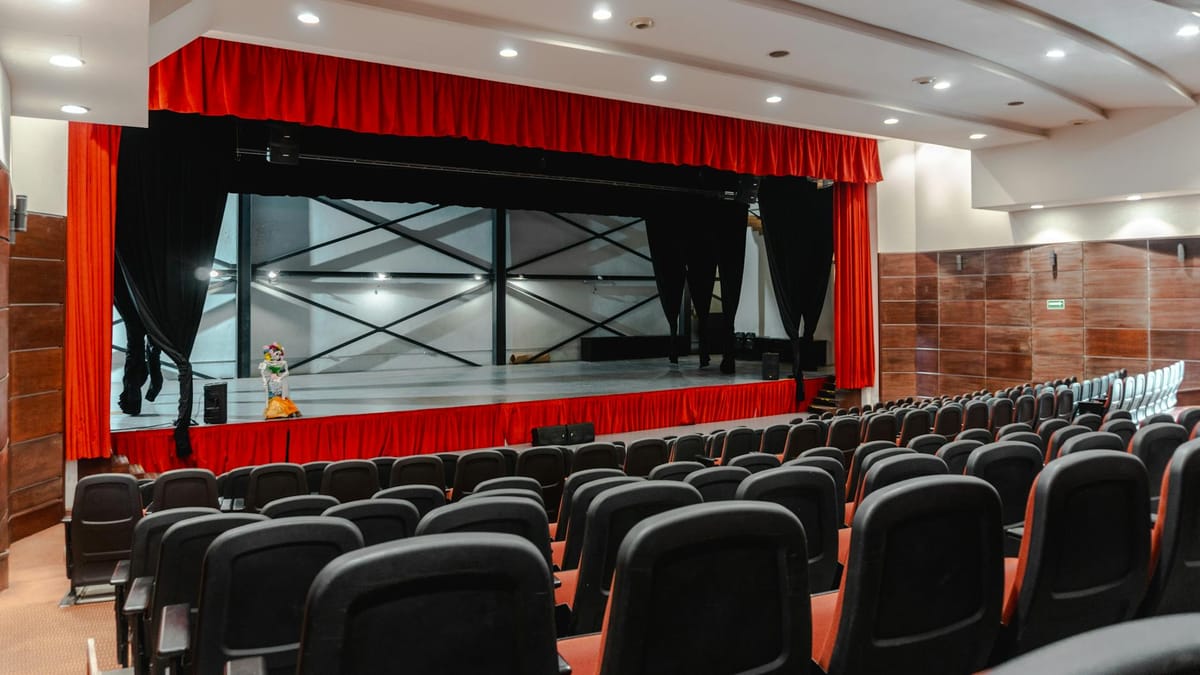
Community theater shows NYC 2026 offer one of the smartest ways to experience live performance without paying Broadway prices. Across neighborhood stages, nonprofit arts spaces, school auditoriums, and black box theaters, local companies are producing plays, musicals, and new work that feel intimate, inventive, and deeply connected to the communities around them.
Here is the short answer: the best community theater shows NYC 2026 are found through borough arts groups, venue newsletters, library calendars, and neighborhood event listings — not through Times Square ticket booths. This guide covers where to look, what to expect, and how to plan a night out that feels cultural, affordable, and distinctly New York.
Why Community Theater in NYC Feels Especially Relevant in 2026
New York theater has always existed on more than one level. There is the high-profile commercial scene, and then there is the local scene that many residents actually return to week after week. Community theater belongs to that second world.
In 2026, that appeal is sharper than ever. Audiences want experiences that feel local, social, and personal. Community productions deliver exactly that — neighborhood energy, accessible prices, and programming that ranges from classic plays to original work by emerging artists.
What Makes Community Theater Different from Broadway or Off-Broadway
The biggest difference is not polish. It is proximity. Community theater values participation, experimentation, and access over prestige. That leads to more flexible casting, more imaginative staging, and a stronger sense of connection between audience and artists.
For theater lovers, community theater shows NYC 2026 can feel like a direct line to the city's creative pulse. You are not just attending a show — you are stepping into a living local cultural scene.
Why These Shows Appeal to Budget-Conscious New Yorkers
Cost is a major reason to explore local theater. Many community productions are priced well below commercial shows, making them a practical choice for date nights, solo outings, and group plans.
Some venues also offer student pricing, rush seats, pay-what-you-can performances, or donation-based entry. If you want more culture in your 2026 calendar without turning every ticket into a splurge, NYC community theater is worth your attention.
Where to Find the Best Community Theater Shows NYC 2026 Has to Offer
Finding great local theater is less about one master list and more about knowing where to search consistently. Community productions are spread across all five boroughs, so discovery often happens through local networks rather than major entertainment platforms.
Neighborhoods to Watch for Local Theater in 2026
Brooklyn remains a strong area for ensemble-driven work, new writing, and hybrid performances that mix theater with music or movement.
Queens stands out for multicultural programming, family-friendly productions, and neighborhood stages that reflect the borough's wide mix of communities.
Upper Manhattan and the Bronx often feature mission-led groups, youth-centered programs, and productions with strong community engagement.
Downtown Manhattan still has smaller venues and nonprofit spaces where local companies stage accessible work with a community-minded feel.
Staten Island can also reward audiences willing to look beyond the usual circuits, especially for neighborhood-based productions and civic arts programming.
How to Discover NYC Community Theater Shows Before They Sell Out
Start with venue newsletters, borough arts organizations, library calendars, free cultural festivals, and neighborhood event listings. Smaller productions do not always rank well in generic search results, so direct sources matter most.
Independent bookstores with events, local Instagram accounts, community boards, school theater departments, and civic centers can also surface community theater shows NYC 2026 before they reach a wider audience. Follow the venues and companies themselves for the best picks.
What Kinds of Productions to Expect
Expect range rather than one house style. You may find a Shakespeare production in one borough, a new play reading in another, and a small-scale musical revival a few stops away.
Community stages regularly produce classics, comedies, musicals, family shows, original plays, and experimental work. That variety is part of the appeal — you can build a theater routine around curiosity, not hype.
How to Choose the Right Community Theater Show for Your Vibe
The best community theater shows NYC 2026 are not all trying to do the same thing. Pick based on mood, company, location, and budget — not just title recognition.
For Date Night
Look for comedies, intimate musicals, or familiar plays in small venues. Community theater can feel thoughtful and stylish without feeling obvious or overpriced.
Pair the show with dinner or a drink nearby and the evening feels curated rather than routine. Small theaters also give you plenty to talk about after the curtain drops.
For a Solo Cultural Night Out
Local theater works especially well for solo plans. The setting is usually relaxed, the time commitment is manageable, and the outing feels more interesting than a default weeknight.
Choose a neighborhood you have wanted to explore, see a show, and take a short walk after. It is a simple way to feel more connected to the city.
For Friend Groups on a Budget
If your group wants something social and affordable, community theater is a strong option. Look for broad-appeal comedies, well-known musicals, or special one-weekend runs.
Some venues offer group rates, and many are close to casual bars, cafes, or restaurants. Affordable, social, and memorable is a rare NYC combination — local theater comes close.
For Serious Theater Fans
Do not stop at titles you already know. Some of the most exciting community theater shows NYC 2026 will be original works, bold reinterpretations, and productions that take real risks with text, space, or performance style.
If you care about acting, direction, and new voices, community stages often deliver sharper surprises than larger commercial runs.
Tips for Planning a Great Community Theater Night in NYC
A little preparation makes the night smoother. Community venues vary widely in size, layout, and amenities, so it helps to plan with the neighborhood and the specific space in mind.
Book Early, But Stay Flexible
Small houses fill quickly, especially for short runs or shows with strong local buzz. If something looks promising, buy tickets early.
At the same time, check for waitlists, rush tickets, or last-minute releases. Smaller venues may also have flexible seating arrangements, so arriving on time matters.
Check Venue Details Before You Go
Review the basics before leaving home: transit access, seating type, runtime, intermission, and accessibility information. Not every venue offers the same setup.
That quick check helps avoid friction, especially if you are bringing friends who are new to NYC community theater.
Build the Night Around the Neighborhood
One of the best parts of community theater shows NYC 2026 is the location. Many productions happen inside active local districts, making it easy to turn the outing into a full evening.
Plan a pre-show dinner, grab coffee nearby, or pick a relaxed post-show bar where you can talk about the performance. That mix of local discovery and live art feels very New York.
Support the Company Beyond the Ticket
If you enjoy a production, follow the company, tell friends, share the show on social media, or donate if the organization accepts support. For many groups, word of mouth matters as much as ticket sales.
Local theater grows through repeat audiences. Showing up once is helpful. Showing up again is how scenes build real momentum.
Why Community Theater Belongs on Your 2026 NYC Culture List
Community theater shows NYC 2026 offer something many New Yorkers want more of: culture that feels accessible, human, and rooted in the city's neighborhoods.
You may not get celebrity casting or massive production budgets. You do get closeness, experimentation, and the thrill of genuine discovery. You get a room full of people paying attention together — and the sense that art here is still a local practice, not only a commercial product.
If your goal for 2026 is to know the city better, start with the spaces where people are making work for their own communities. Community theater is one of the clearest ways in.
FAQ: Community Theater Shows NYC 2026
What are community theater shows in NYC?
Community theater shows in NYC are local productions presented by nonprofit groups, neighborhood arts organizations, schools, civic centers, and independent ensembles. They typically feature local performers and offer lower ticket prices than commercial theater.
Where can I find community theater shows NYC 2026 listings?
You can find community theater shows NYC 2026 through venue newsletters, borough arts organizations, public library calendars, neighborhood event listings, local social media accounts, and nonprofit performance spaces across all five boroughs.
Are community theater shows in NYC affordable?
Usually, yes. Many productions are priced well below major theater tickets, and some offer student discounts, pay-what-you-can nights, rush options, or donation-based admission.
What kinds of shows do NYC community theaters perform in 2026?
Expect a wide mix of plays, musicals, comedies, classics, family productions, original works, and experimental performances. Programming varies by company and venue, which keeps the local theater scene genuinely diverse.
How early should I book community theater shows NYC 2026?
Book early if the venue is small or the run is short. If advance tickets are gone, check for waitlists, standby options, or last-minute ticket releases closer to the performance date.
Final Take
If your ideal New York includes smart nights out, neighborhood discovery, and culture with real local character, put community theater shows NYC 2026 on your calendar now. Start with one venue, subscribe to a few local arts newsletters, and pick a show in a neighborhood you want to know better.
You may spend less, see more, and come away with a sharper sense of how this city actually creates culture. That is a strong reason to go.